Suyool Youth

The Real Cost of a Late Salary Payment
Most conversations about payroll focus on the mechanics. The processing time, the bank transfer, the documentation. What rarely gets discussed is what happens to the relationship between employer and employee when that transfer is late.
The answer is more damaging than most business owners realize.
The Numbers Behind the Trust Gap
Research consistently shows that employees who are paid late are significantly more likely to disengage from their role. One widely cited figure puts it at three times more likely. Three times. For something that is, in most cases, entirely preventable.
But the disengagement that follows a late salary isn't always visible. It doesn't show up immediately in performance reviews or exit interviews. It shows up in smaller ways: a slightly lower effort, a slightly shorter day, a slightly faster yes when a recruiter reaches out.
The trust erosion is quiet. And that makes it expensive.
The Follow-Up Message
There is a specific moment that signals the relationship has been damaged, and it is the moment an employee sends the message: 'Any update on salary?'
That message shouldn't exist. The employee knows it shouldn't have to exist. And sending it costs them something: the dignity of not having to ask for what they've already earned.
When that message gets sent once, it plants a seed of doubt. When it gets sent repeatedly, it becomes a defining feature of the employment relationship. And no amount of team culture or office perks can undo what a consistently unreliable payroll does to how people feel about where they work.
The Operational Reality
Most payroll delays in Lebanese SMEs are not the result of financial difficulty. They are the result of operational friction.
Manual processing that takes hours. Spreadsheets that need to be reconciled. Bank transfers that require multiple approvals. No automated notifications to tell employees their salary is on its way. No clear record of what went out and when.
The system fails the employer as much as it fails the employee. The finance team spends half a day on something that should take twenty minutes. Errors creep in. Transfers bounce. And by the time everything is resolved, trust has already taken the hit.
What Reliable Payroll Actually Looks Like
There is a version of payroll where none of this happens.
Where the finance team processes the entire batch in minutes, not hours. Where every employee receives an automatic notification the moment their salary lands. Where funds are instantly available, not sitting in a clearing queue. Where every transfer is documented, timestamped, and searchable without anyone having to chase a record.
That version of payroll isn't reserved for large companies with enterprise software budgets. It is what Suyool was built to make standard for Lebanese businesses of any size.
The Hidden Benefit
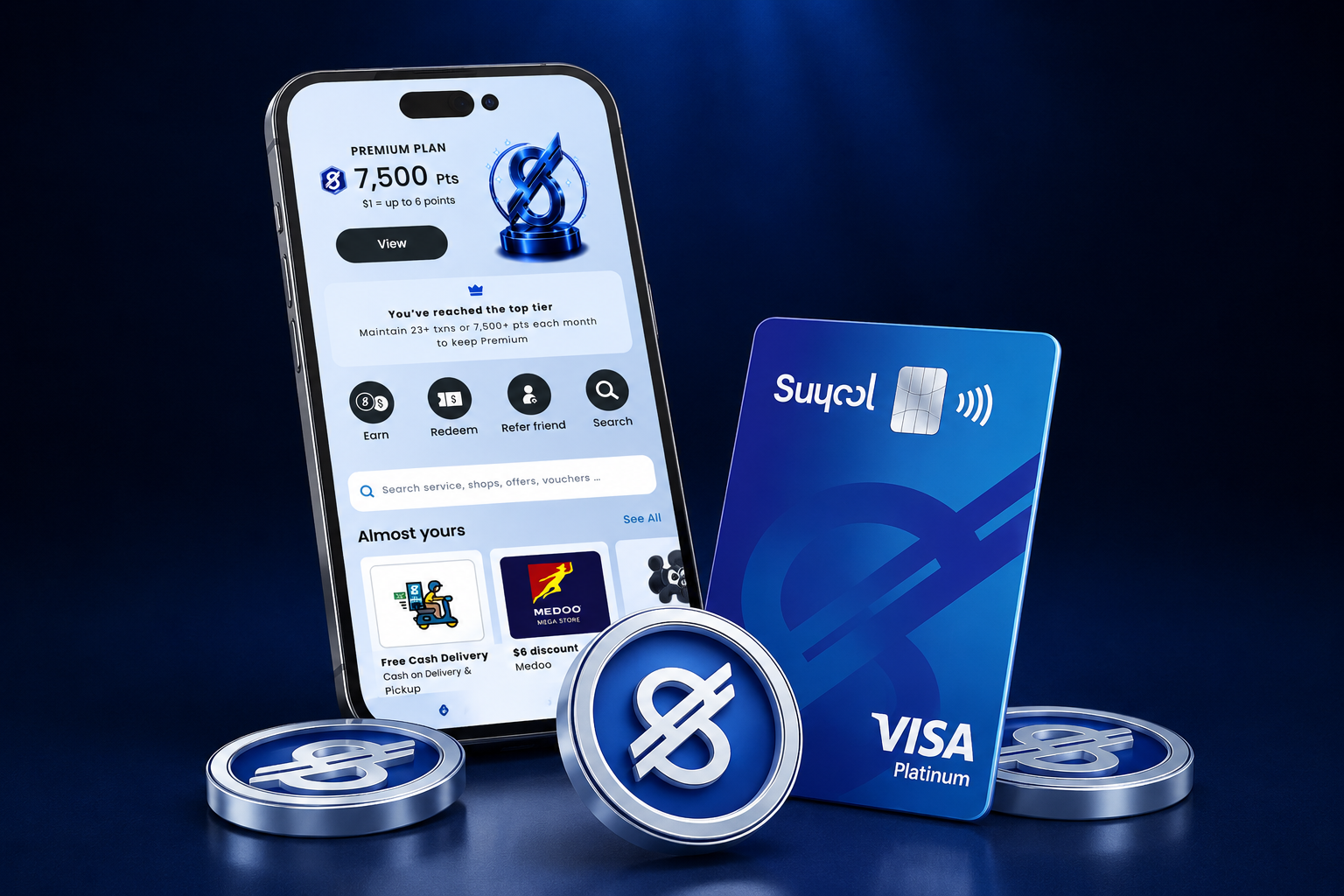
When employees receive their salary on Suyool, the experience goes beyond receiving a payment. They gain immediate access to a full financial platform: the ability to pay bills, transfer money, top up, save, and access Quick Pay if they need funds before next month's salary arrives.
Payroll becomes a benefit rather than just a transaction. And that distinction matters more than most employers realize.
The Bottom Line
The companies that get payroll right don't need to announce that they value their people. They demonstrate it. Every month. Without fail.
The cost of getting it wrong is real, measurable, and far greater than the operational inconvenience of fixing it.
Suyool makes getting it right the easy part.