Suyool Youth

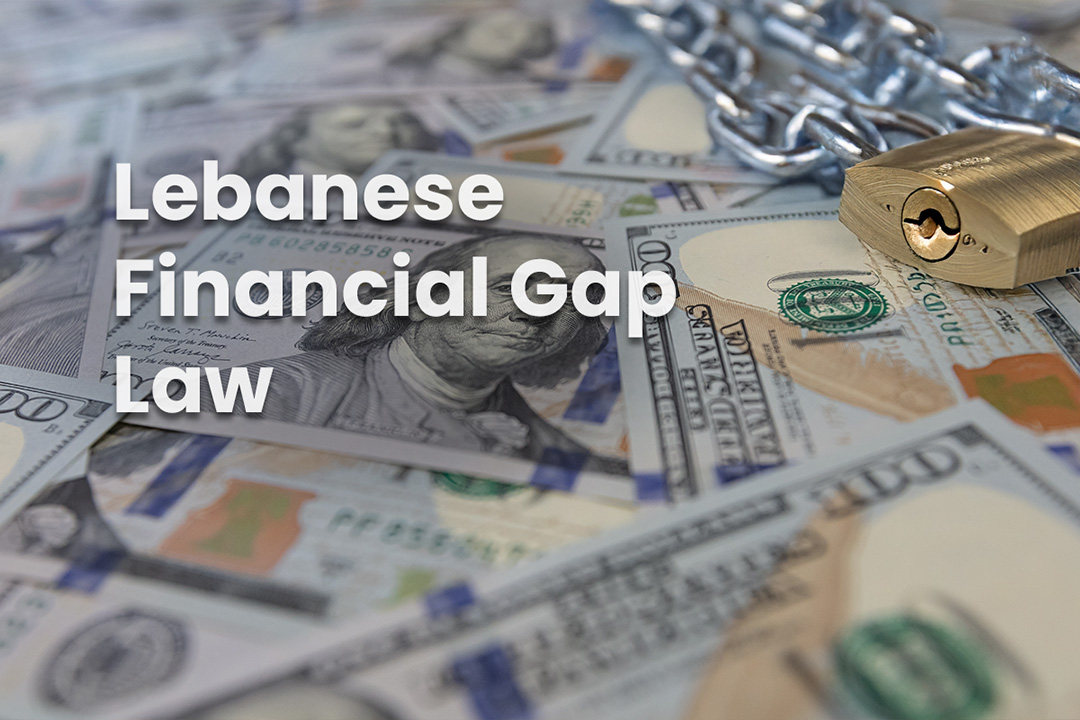
The Lebanese Financial Gap Law Explained
If you’ve been following Lebanese news this week, you’ve probably heard the term “Financial Gap Law” everywhere… on TV, social media, and in heated conversations about banks, deposits, and accountability.
But what is the Lebanese Financial Gap Law, and why does it matter so much right now?
Let’s break it down in simple terms.
What Is the “Financial Gap” in Lebanon?
The financial gap is the difference between:
- What banks and the state owe depositors
- And what they are actually able to repay
Since 2019, banks have not had enough real dollars to cover deposits. The losses already exist, the debate is not whether there are losses, but how they are officially distributed.
The Lebanese Financial Gap Law exists to legally recognize these losses and define how they are handled.
What Does the Lebanese Financial Gap Law Actually Say?
At its core, the Financial Gap Law does four major things:
1. It Officially Recognizes the Losses
Until now, Lebanon avoided formally declaring the exact size of the financial gap. This law acknowledges that the banking system is insolvent and that full repayment of all deposits under the old system is impossible.
This step is critical because:
- You cannot restructure banks without admitting losses
- You cannot recover deposits without defining what is recoverable
2. It Divides Responsibility for the Losses
The law proposes that losses are shared between:
- The Lebanese state
- Banque du Liban (the central bank)
- Commercial banks
- Large depositors
This is one of the most controversial aspects of the Financial Gap Law, because it moves away from the idea that banks alone can repay everyone in full.
3. What the Financial Gap Law Says About Depositor Money
This is the part most people care about.
Small Depositors
Under the draft being discussed:
- Smaller depositors are prioritized
- Their deposits are meant to be repaid in full, but over time, not immediately
- Repayment would happen gradually, through structured schedules rather than instant withdrawals
- This group represents the majority of Lebanese depositors.
Large Depositors
For larger accounts, the Financial Gap Law proposes a different approach:
A portion of the deposit (up to a defined threshold) would be repaid in cash over time
The remaining balance would not disappear, but would be:
- Converted into long-term financial instruments such as government bonds
- Or repaid gradually over many years
- Or linked to future recoveries and asset performance
This is not labeled as a “haircut” in the law, but in practice it means delayed and partial access to funds.
Important Reality Check
The law does not promise:
- Immediate access to all deposits
- A return to pre-2019 banking conditions
What it does promise is a clear, legal repayment path, instead of the current chaos.
4. It Forces Bank Restructuring
The Lebanese Financial Gap Law is tied to bank reform.
It requires:
- Banks to recognize losses on their balance sheets
- Weak banks to merge, restructure, or exit the market
- Shareholders to absorb losses before depositors do
This is meant to stop the cycle of pretending banks are healthy when they are not.
Why Is the Financial Gap Law So Controversial?
Because there are no easy winners.
- Depositors fear losing part of their savings permanently
- Banks reject absorbing losses they say were caused by state policies
- Politicians fear accountability
- The economy cannot recover without resolving the issue
Some see the Financial Gap Law as long overdue realism.
Others see it as a way to legalize losses without enough accountability.
That tension is exactly why the law is dominating headlines.
What Happens If the Law Is Not Passed?
Without the Lebanese Financial Gap Law:
- Deposits remain frozen indefinitely
- Capital controls stay unofficial and arbitrary
- Banks remain dysfunctional
- No international financial support is possible
In other words, the current situation continues with no legal protection for anyone.
What Happens If It Is Passed?
If passed and properly implemented, the Financial Gap Law would:
- Define how deposits are recovered
- Create timelines instead of uncertainty
- Restore some confidence in the financial system
- Allow Lebanon to move forward with broader economic reforms
It would not fix everything, but it would ease the financial paralysis.
Final Thoughts
The Lebanese Financial Gap Law is not a magic solution, but it is a defining moment. It finally answers the question Lebanon has avoided since 2019:
How do we deal with the losses honestly, legally, and fairly?
For depositors, it doesn’t mean instant relief.
But it may be the first real step toward clarity, structure, and eventual recovery.